

Introduction
If you have ever faced a Windows update stuck problem, you are not alone. Many users experience situations where updates freeze at a certain percentage, fail to install, or take unusually long to complete. This can be frustrating, especially when you need your system for important tasks.
A Windows update stuck issue can happen for several reasons. It may be due to corrupted files, slow internet connection, system errors, or background processes interfering with updates. Sometimes, even a small glitch can cause the update to stop working properly.
Fortunately, fixing a Windows update stuck problem is not as difficult as it seems. With the right approach, you can quickly identify the issue and resolve it without needing advanced technical skills. This guide is designed for both beginners and intermediate users who want a clear and practical solution.
What is Windows Update Stuck?
A Windows update stuck issue occurs when your system fails to complete an update process. Instead of finishing successfully, the update may freeze at a certain percentage like 0%, 20%, or 99%.
This problem can appear in different ways. Sometimes the system keeps restarting without completing the update. In other cases, it may show a loading screen for hours without any progress.
Windows updates are designed to improve system performance, security, and stability. However, when something interrupts the process, it can cause the update to stop responding.
Common signs of a Windows update stuck problem include:
- Update progress not moving for a long time
- Repeated restart loops
- Error messages during installation
- System becoming slow or unresponsive
Understanding this issue is the first step toward fixing it effectively.
Why is Windows Update Stuck Important?
Fixing a Windows update stuck issue is important because updates play a critical role in your system’s health. Ignoring update problems can lead to serious consequences over time.
First, updates include security patches that protect your computer from viruses and malware. If updates fail, your system becomes vulnerable to attacks.
Second, updates improve performance and fix bugs. Without them, your computer may run slower or face frequent errors.
Third, some applications require the latest Windows version to function properly. A stuck update can prevent software from working correctly.
Here are key reasons why you should fix it quickly:
- Protects your system from security threats
- Improves system performance
- Prevents software compatibility issues
- Ensures smooth user experience
Therefore, resolving update issues should always be a priority.
Detailed Step-by-Step Guide
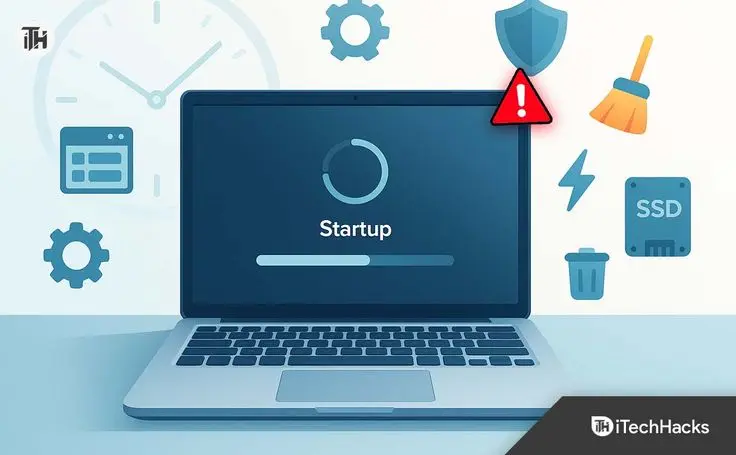
Step 1: Wait and Check Progress
Before taking any action, give the update some time. Sometimes updates take longer than expected, especially on slower systems.
- Wait at least 30–60 minutes
- Check if the percentage is increasing
- Avoid turning off your computer too quickly
If there is no progress, move to the next step.
Step 2: Restart Your Computer
A simple restart can fix many temporary glitches.
- Press and hold the power button
- Turn off your system
- Restart and check the update again
This often resolves minor Windows update stuck issues.
Step 3: Check Internet Connection
A stable internet connection is necessary for updates.
- Ensure Wi-Fi or Ethernet is working
- Restart your router
- Avoid using slow or unstable networks
Poor connectivity can interrupt the update process.
Step 4: Run Windows Update Troubleshooter
Windows has a built-in troubleshooter to detect and fix issues.
- Go to Settings
- Click on Update & Security
- Select Troubleshoot
- Run Windows Update Troubleshooter
Follow the instructions provided on screen.
Step 5: Free Up Disk Space
Low storage can stop updates from completing.
- Delete unnecessary files
- Empty recycle bin
- Remove unused applications
Ensure you have enough free space for updates.
Step 6: Restart Windows Update Services
Sometimes services related to updates stop working.
- Open Run (Windows + R)
- Type services.msc
- Find Windows Update
- Restart the service
This refreshes the update process.
Step 7: Clear Software Distribution Folder
Corrupted update files can cause problems.
- Stop Windows Update service
- Navigate to SoftwareDistribution folder
- Delete its contents
- Restart the service
This forces Windows to download updates again.
Step 8: Use Safe Mode
Booting into Safe Mode can help isolate issues.
- Restart your system
- Enter Safe Mode
- Try updating again
This reduces interference from background apps.
Step 9: Perform System File Check
Corrupted system files can cause update failures.
- Open Command Prompt as administrator
- Type sfc /scannow
- Wait for the scan to complete
Fix any detected errors.
Step 10: Reset Windows Update Components
If nothing works, resetting components can help.
- Stop update services
- Rename system folders
- Restart services
This completely refreshes the update system.
Benefits of Fixing Windows Update Stuck
- Improves system security
- Enhances performance
- Fixes bugs and errors
- Ensures compatibility with new software
- Provides access to latest features
- Reduces system crashes
- Keeps your system stable
Disadvantages / Risks
- Restarting may cause data loss if unsaved work exists
- Incorrect steps can affect system settings
- Deleting files without care may remove important data
- Resetting components may require reconfiguration
- Updates may take time again after fixing
Common Mistakes to Avoid
Many users make simple mistakes that worsen the issue.
First, turning off the computer too quickly can damage system files. Always wait before forcing a shutdown.
Second, ignoring error messages can lead to confusion. Read them carefully to understand the problem.
Third, using unreliable tools or random fixes from unknown sources can harm your system.
Fourth, not checking disk space is a common mistake. Updates require sufficient storage.
Fifth, skipping troubleshooting steps can result in incomplete fixes.
Avoiding these mistakes will make the process smoother and safer.
FAQs
1. Why does Windows update get stuck?
Windows update stuck issues usually occur due to corrupted files, slow internet, or system errors. Background processes can also interfere with updates.
2. Is it safe to restart during an update?
It depends. If the update is completely frozen for a long time, restarting may be necessary. However, frequent interruptions can cause problems.
3. How long should a Windows update take?
Most updates take 10 to 30 minutes. Larger updates may take longer depending on system performance and internet speed.
4. Can low disk space cause update issues?
Yes, insufficient storage is a common reason for Windows update stuck problems. Always ensure enough free space before updating.
5. Will resetting update components fix the issue?
In many cases, yes. Resetting components clears corrupted files and allows updates to restart properly.
6. Do I need professional help to fix this?
Not usually. Most issues can be fixed using simple steps. However, severe problems may require expert assistance.
Expert Tips & Bonus Points
To avoid facing Windows update stuck issues in the future, follow these expert tips.
Keep your system clean by regularly deleting unnecessary files. This ensures smooth update performance.
Always maintain a stable internet connection during updates. Avoid interruptions whenever possible.
Update your drivers regularly, as outdated drivers can cause compatibility issues.
Schedule updates during idle time so they do not interrupt your work.
Create system restore points before major updates. This helps you recover easily if something goes wrong.
Finally, avoid installing multiple updates at once if your system is slow. Let each update complete properly.
Conclusion
A Windows update stuck problem can be frustrating, but it is usually easy to fix with the right approach. By understanding the causes and following simple steps, you can resolve the issue without stress.
From restarting your system to clearing corrupted files, each method plays an important role in fixing update problems. The key is to stay patient and follow the steps carefully.
Regular maintenance and proper system care can prevent most update issues. Keeping your system updated ensures better security, improved performance, and a smoother experience.
