

Introduction
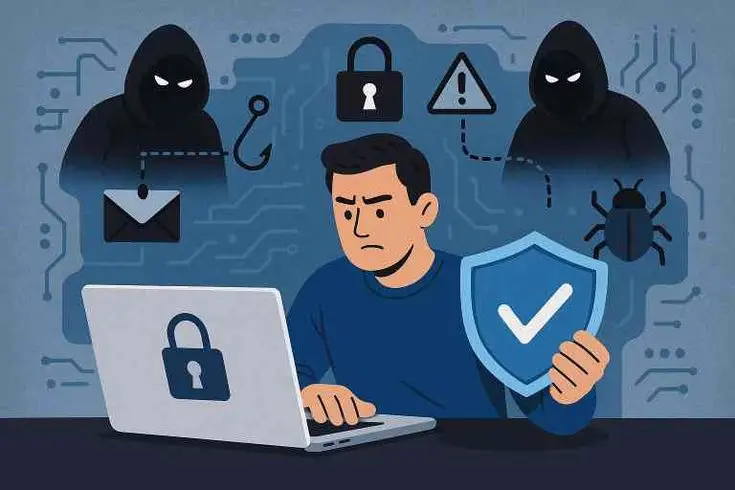
The internet has become an essential part of daily life. From online shopping and banking to social media and work, we rely on digital platforms more than ever. However, with convenience comes risk. Cyber threats like phishing, malware, and data theft are increasing rapidly, making it important for everyone to understand safe browsing tips for every device.
Whether you use a smartphone, tablet, or computer, staying safe online is not just for experts. Beginners and intermediate users can easily protect themselves by following simple habits and security practices. Many people assume that cyberattacks only target large companies, but the truth is individuals are often easier targets due to weak security awareness.
In this guide, you will learn practical and effective safe browsing tips for every device. These tips will help you protect your personal information, avoid harmful websites, and browse the internet confidently. By the end of this article, you will have a clear understanding of how to stay secure online without needing advanced technical knowledge.
What is Safe Browsing Tips for Every Device?
Safe browsing tips for every device refer to a set of practices that help users stay secure while using the internet on different devices. These devices include smartphones, laptops, desktops, and tablets. The goal is to protect your data, identity, and privacy from online threats.
Safe browsing involves being cautious about the websites you visit, the links you click, and the information you share online. It also includes using security tools like antivirus software, firewalls, and secure networks.
For example, when you avoid clicking on suspicious links in emails or ensure a website uses HTTPS, you are practicing safe browsing. These small actions can significantly reduce your risk of cyberattacks.
Why is Safe Browsing Tips for Every Device Important?
Safe browsing is important because cyber threats are constantly evolving. Hackers use advanced techniques to steal personal information, financial data, and login credentials. Without proper precautions, anyone can become a victim.
Here are some key reasons why safe browsing tips for every device matter:
- Protects your personal and financial information
- Prevents identity theft and fraud
- Keeps your devices free from malware and viruses
- Ensures safe online transactions
- Maintains your privacy
For instance, entering your credit card details on an unsecured website can lead to financial loss. Similarly, downloading files from unknown sources can infect your device with malware.
Therefore, understanding and applying safe browsing tips for every device is essential for a secure digital experience.
Detailed Step-by-Step Guide
Use Strong and Unique Passwords
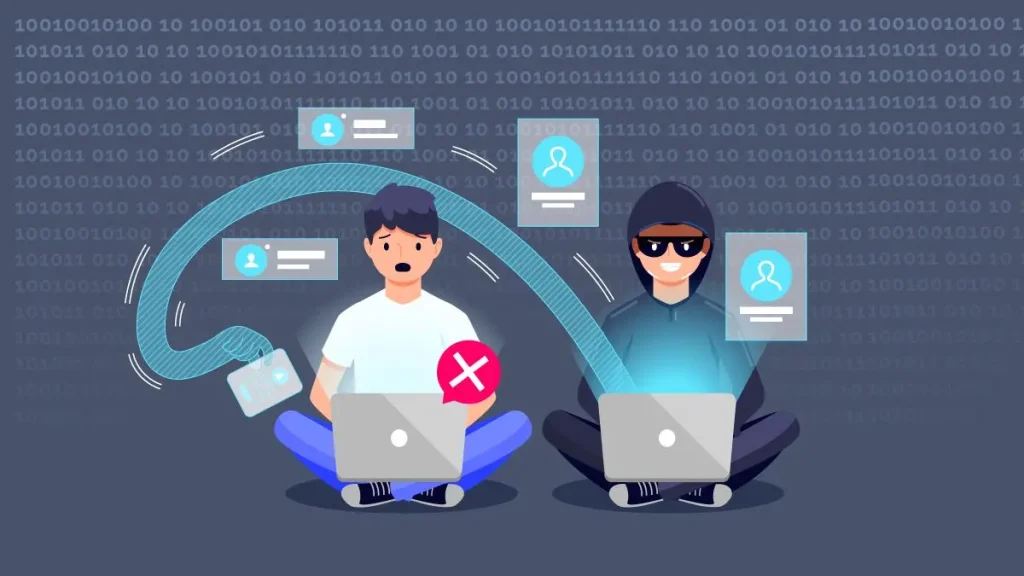
Passwords are your first line of defense. Avoid using simple passwords like “123456” or “password.”
- Create long and complex passwords
- Use a mix of letters, numbers, and symbols
- Avoid reusing passwords across multiple accounts
A password manager can help you store and manage your passwords securely.
Enable Two-Factor Authentication
Two-factor authentication adds an extra layer of security.
- Requires a second verification step
- Can include OTP codes or authentication apps
- Protects your account even if your password is compromised
This is one of the most effective safe browsing tips for every device.
Keep Your Software Updated
Outdated software often contains security vulnerabilities.
- Update your operating system regularly
- Install updates for browsers and apps
- Enable automatic updates when possible
Updates fix bugs and improve security.
Avoid Suspicious Links and Emails
Phishing attacks are very common.
- Do not click on unknown links
- Verify email senders before opening attachments
- Look for spelling errors and unusual requests
Always double-check before taking action.
Use Secure Websites
Before entering sensitive information, check if the website is secure.
- Look for HTTPS in the URL
- Check for a padlock icon
- Avoid websites with security warnings
Secure websites encrypt your data.
Install Antivirus and Security Software
Security software helps detect and remove threats.
- Use trusted antivirus programs
- Run regular scans
- Keep your antivirus updated
This is essential for safe browsing tips for every device.
Avoid Public Wi-Fi for Sensitive Activities
Public Wi-Fi networks are often unsecured.
- Avoid online banking on public networks
- Use a VPN for extra security
- Turn off automatic Wi-Fi connections
Hackers can intercept your data on public networks.
Log Out After Use
Always log out from accounts, especially on shared devices.
- Prevents unauthorized access
- Protects your personal information
This is a simple but effective habit.
Benefits of Safe Browsing Tips for Every Device
- Protects your personal information from hackers
- Reduces the risk of malware infections
- Keeps your financial transactions secure
- Enhances privacy while browsing
- Builds confidence in using online services
- Prevents unauthorized account access
- Saves time and money by avoiding cyber issues
Disadvantages / Risks
- Requires consistent attention and effort
- Some security tools may slow down devices
- Users may find it difficult to remember complex passwords
- Overconfidence can still lead to mistakes
- Free security tools may not offer full protection
Common Mistakes to Avoid
Many users unknowingly put themselves at risk. Avoid these common mistakes:
- Using the same password for multiple accounts
- Ignoring software updates
- Clicking on unknown links without checking
- Downloading files from untrusted sources
- Using public Wi-Fi without precautions
- Sharing personal information on unsecured websites
Being aware of these mistakes is a key part of safe browsing tips for every device.
FAQs
What are safe browsing tips for every device?
Safe browsing tips are guidelines that help protect your data and privacy while using the internet on any device. They include using strong passwords, avoiding suspicious links, and keeping software updated.
Why is safe browsing important?
Safe browsing is important because it protects you from cyber threats like hacking, phishing, and malware. It helps keep your personal and financial information secure.
Can I browse safely without antivirus software?
While it is possible, antivirus software provides an extra layer of protection. It helps detect and remove threats that you might not notice.
Is public Wi-Fi safe to use?
Public Wi-Fi is not completely safe. It is better to avoid accessing sensitive information on public networks or use a VPN for security.
How often should I update my software?
You should update your software as soon as updates are available. Regular updates fix security vulnerabilities and improve performance.
What is two-factor authentication?
Two-factor authentication is a security method that requires two forms of verification before accessing an account. It adds an extra layer of protection.
Expert Tips & Bonus Points
To take your online security to the next level, follow these expert tips:
- Use a VPN to encrypt your internet connection
- Regularly review account activity for unusual behavior
- Avoid saving passwords in browsers on shared devices
- Enable browser security settings
- Use private browsing mode when needed
- Backup your important data regularly
Additionally, educate yourself about new cyber threats. Awareness is one of the best defenses when applying safe browsing tips for every device.
Conclusion
In today’s digital world, staying safe online is more important than ever. Cyber threats are constantly evolving, but with the right knowledge and habits, you can protect yourself effectively. Safe browsing tips for every device are not complicated. They are simple practices that, when followed consistently, can make a big difference.
From using strong passwords and enabling two-factor authentication to avoiding suspicious links and keeping your software updated, each step plays a crucial role in your online safety. These habits not only protect your personal information but also give you peace of mind while using the internet.
It is important to remember that no single method guarantees complete security. However, combining multiple safe browsing strategies significantly reduces your risk. Make these tips a part of your daily routine, and encourage others to do the same.
