

Introduction
In today’s digital world, families are more connected than ever before. From online learning to social media and digital entertainment, the internet has become an essential part of daily life. However, with this convenience comes serious risks such as cyberbullying, identity theft, scams, and data breaches. This is why understanding the best cyber safety habits for families is no longer optional but necessary.
Parents, children, and even elderly family members must learn how to navigate the online world safely. Many people assume that cyber threats only target businesses or tech-savvy individuals, but in reality, families are often easier targets because of weak passwords, lack of awareness, and unsafe browsing habits.
Fortunately, building strong cyber safety habits does not require advanced technical knowledge. Simple actions like using strong passwords, avoiding suspicious links, and monitoring online activities can significantly reduce risks. When families work together and follow consistent practices, they can create a secure digital environment at home.
What is Best Cyber Safety Habits for Families?
Best cyber safety habits for families refer to a set of practices and behaviors that help protect family members from online threats. These habits include safe internet usage, protecting personal information, recognizing scams, and maintaining digital privacy.
Cyber safety is not just about installing antivirus software. It also involves teaching children about online risks, setting rules for internet use, and staying updated with the latest threats. For example, teaching kids not to share personal details online or click on unknown links is part of cyber safety.
These habits are important for all age groups. Children may face risks like online predators and cyberbullying, while adults may encounter phishing scams or financial fraud. Therefore, every family member must understand their role in maintaining online security.
Why is Best Cyber Safety Habits for Families Important?
The importance of best cyber safety habits for families cannot be ignored in today’s digital age. With increasing internet usage, cyber threats are becoming more advanced and frequent.
First, families store a lot of personal information online, including photos, financial details, and personal conversations. Without proper protection, this information can be stolen or misused. Identity theft is one of the most common risks today.
Second, children are highly vulnerable to online dangers. They may unknowingly interact with strangers or access harmful content. Without proper guidance, they can easily become victims of cybercrime.
Additionally, cyber attacks can lead to financial loss. Scammers often target families through fake emails, messages, or websites. A single mistake can result in losing money or sensitive data.
Moreover, cyber safety helps build responsible digital behavior. When families follow safe practices, they create a positive and secure online environment. This not only protects them but also improves their overall digital experience.
Detailed Step-by-Step Guide
Set Strong and Unique Passwords
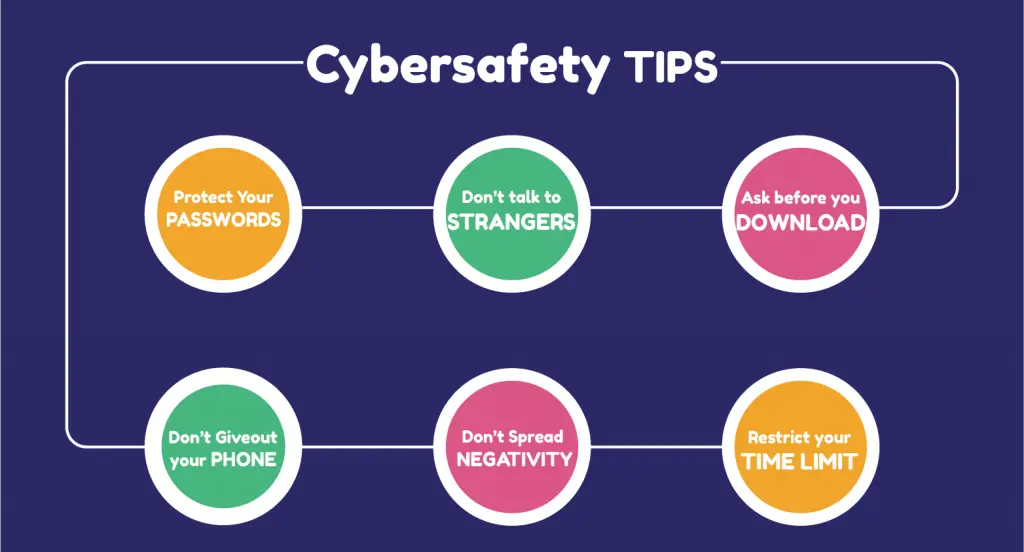
Passwords are the first line of defense against cyber threats. Every family member should use strong passwords that are difficult to guess.
A good password should include a mix of letters, numbers, and symbols. Avoid using simple information like names or birthdays. Also, never use the same password for multiple accounts.
Using a password manager can help store and manage passwords securely.
Enable Two-Factor Authentication
Two-factor authentication adds an extra layer of security. Even if someone knows your password, they cannot access your account without the second verification step.
This usually involves a code sent to your phone or email. Enable this feature on all important accounts like email, banking, and social media.
Educate Children About Online Safety
Children need proper guidance to stay safe online. Teach them not to share personal information such as their address, school name, or phone number.
Explain the risks of talking to strangers online and encourage them to report any suspicious activity. Open communication is key to building trust.
Use Parental Controls
Parental control tools help monitor and manage children’s online activities. These tools can block harmful websites and limit screen time.
They also allow parents to track what their children are doing online. This helps prevent exposure to inappropriate content.
Avoid Suspicious Links and Emails
Cybercriminals often use fake emails and links to trick users. These messages may look real but are designed to steal information.
Always verify the source before clicking on any link. If something seems suspicious, do not open it.
Keep Software Updated
Regular updates fix security vulnerabilities in devices and applications. Always update your operating system, apps, and antivirus software.
Ignoring updates can leave your devices exposed to cyber threats.
Use Secure Wi-Fi Networks
Avoid using public Wi-Fi for sensitive activities like online banking. Public networks are often unsecured and can be easily hacked.
At home, use a strong password for your Wi-Fi network and change it regularly.
Backup Important Data
Regular backups ensure that your data is safe even if your device is hacked or damaged. Use cloud storage or external drives to store important files.
This habit can save you from losing valuable information.
Benefits of Best Cyber Safety Habits for Families
- Protects personal and financial information from theft
- Reduces the risk of cyber attacks and scams
- Creates a safe online environment for children
- Builds awareness and responsible digital behavior
- Prevents data loss through regular backups
- Improves overall online experience and confidence
- Helps families stay updated with modern security practices
Disadvantages / Risks
- Requires time and effort to learn and implement
- Children may resist restrictions on internet usage
- Over-reliance on tools may reduce personal awareness
- Initial setup of security systems can be complex
- Regular updates and monitoring are necessary
Common Mistakes to Avoid
One common mistake families make is using weak passwords. Simple passwords can be easily hacked, putting all accounts at risk.
Another mistake is ignoring software updates. Many people delay updates, not realizing they fix important security issues.
Sharing too much personal information online is also risky. Social media posts can reveal sensitive details that cybercriminals can use.
Additionally, trusting unknown links or messages is a major error. Always verify before clicking.
Lastly, lack of communication within the family can lead to problems. Parents should regularly discuss online safety with their children.
FAQs
What are cyber safety habits for families?
Cyber safety habits for families are practices that help protect family members from online threats. These include using strong passwords, avoiding suspicious links, and monitoring online activities.
Why are cyber safety habits important for children?
Children are more vulnerable to online risks like cyberbullying and scams. Cyber safety habits help protect them and teach responsible internet use.
How can parents monitor their child’s online activity?
Parents can use parental control tools, set screen time limits, and regularly talk to their children about their online experiences.
What is the safest way to use the internet at home?
Use secure Wi-Fi, strong passwords, updated software, and antivirus protection. Also, avoid sharing personal information online.
How often should passwords be changed?
Passwords should be updated regularly, ideally every few months, and immediately if there is any suspicion of a security breach.
What should I do if my account is hacked?
Immediately change your password, enable two-factor authentication, and contact the service provider. Also, check for any suspicious activity.
Expert Tips & Bonus Points
Always create a family cyber safety plan. This plan should include rules for internet use, device usage time, and security practices.
Encourage open communication so children feel comfortable sharing their online experiences. This helps identify problems early.
Use antivirus software and keep it updated. It provides protection against malware and other threats.
Teach family members to recognize phishing attempts. Awareness is one of the strongest defenses against cybercrime.
Finally, stay informed about new cyber threats. Technology changes quickly, and staying updated helps maintain strong security.
Conclusion
In a world where digital technology is deeply integrated into daily life, adopting the best cyber safety habits for families is essential. The internet offers countless opportunities for learning, communication, and entertainment, but it also comes with risks that cannot be ignored.
By following simple yet effective practices like using strong passwords, enabling two-factor authentication, and educating children, families can significantly reduce their exposure to cyber threats. These habits not only protect personal information but also create a safe and positive online environment for everyone.
It is important to remember that cyber safety is a shared responsibility. Every family member, regardless of age, plays a role in maintaining digital security. Open communication, regular monitoring, and staying informed about new threats are key factors in building a strong defense.
