

Introduction
In today’s digital world, knowing how to stay safe online every day is more important than ever. From social media browsing to online banking and shopping, people spend a large part of their lives connected to the internet. While the internet offers convenience and endless opportunities, it also comes with risks such as cybercrime, identity theft, and data breaches.
Many users believe that only large companies or tech experts need to worry about online security. However, everyday users are often the easiest targets for hackers. This is why learning how to stay safe online every day should be a basic skill for everyone, whether you are a beginner or someone with moderate internet experience.
Fortunately, staying safe online does not require advanced technical knowledge. By following simple habits and using the right tools, you can protect your personal information and reduce the chances of falling victim to cyber threats. Small steps, when practiced consistently, can make a big difference.
What is How to Stay Safe Online Every Day?
How to stay safe online every day refers to the set of habits, tools, and practices that help protect your personal data, identity, and devices from online threats. It includes actions like using strong passwords, avoiding suspicious links, updating software, and being cautious about sharing personal information.
This concept is not limited to one activity. Instead, it applies to everything you do online, whether you are sending emails, using social media, or making online payments. It is about being aware of potential risks and taking steps to prevent them.
For example, just as you lock your doors at home for safety, online safety requires similar precautions. These actions become part of your daily routine, helping you stay protected without much effort.
Why is How to Stay Safe Online Every Day Important?
Understanding how to stay safe online every day is essential because cyber threats are constantly evolving. Hackers are becoming smarter, and their methods are more convincing than ever.
First, personal data is extremely valuable. Information like your name, address, and financial details can be used for fraud if it falls into the wrong hands. Protecting this data should be a priority.
Second, online scams are increasing rapidly. Many people lose money due to phishing emails, fake websites, or misleading ads. Being aware of these threats helps you avoid them.
Additionally, privacy is a major concern. Without proper precautions, your online activities can be tracked or misused. This can lead to unwanted exposure or even identity theft.
Lastly, staying safe online gives you peace of mind. When you know your information is secure, you can use the internet confidently without fear or stress.
Detailed Step-by-Step Guide
Use Strong and Unique Passwords
One of the simplest ways to stay safe online every day is by using strong passwords. Avoid common words or easy combinations like “123456.”
Instead, create passwords that include letters, numbers, and symbols. Each account should have a different password. This ensures that if one account is compromised, others remain safe.
Enable Two-Factor Authentication
Two-factor authentication adds an extra layer of security. Even if someone knows your password, they cannot access your account without a second verification step.
This may include a code sent to your phone or an authentication app. It is a simple but powerful way to protect your accounts.
Be Careful with Emails and Links
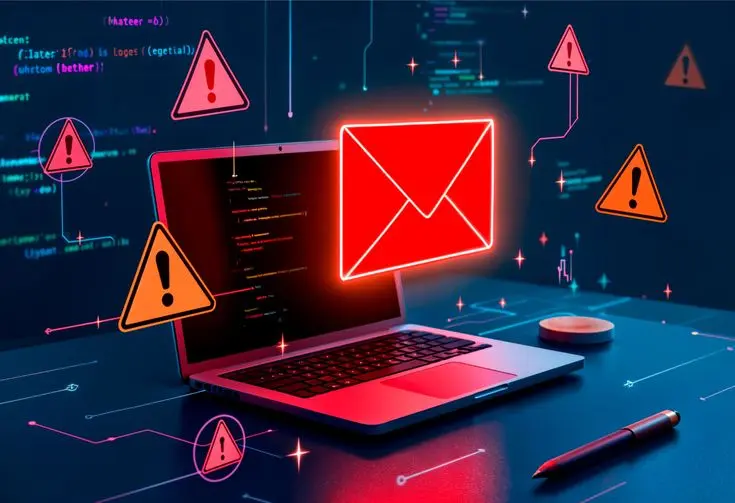
Phishing emails are one of the most common online threats. These emails often look legitimate but are designed to steal your information.
Always check the sender’s address and avoid clicking on suspicious links. If something feels unusual, it is better to ignore it.
Keep Your Software Updated
Outdated software can have security vulnerabilities. Hackers often exploit these weaknesses to gain access to devices.
Make sure your operating system, apps, and antivirus software are always up to date. Updates often include important security fixes.
Use Secure Internet Connections
Avoid using public Wi-Fi for sensitive activities like online banking. Public networks are often not secure and can be monitored by hackers.
If you must use public Wi-Fi, consider using a virtual private network (VPN) for added security.
Protect Your Personal Information
Think twice before sharing personal details online. Information like your phone number, address, or financial data should be kept private.
Also, review privacy settings on social media platforms to control who can see your information.
Install Reliable Security Software
Antivirus and anti-malware programs help detect and remove threats from your device.
Choose a trusted security solution and keep it updated. This adds another layer of protection against cyber attacks.
Log Out from Shared Devices
If you use a public or shared computer, always log out of your accounts after use.
Leaving your account open can allow others to access your personal information.
Benefits of How to Stay Safe Online Every Day
- Protects your personal and financial information
- Reduces the risk of identity theft
- Helps avoid online scams and fraud
- Keeps your devices secure from malware
- Builds confidence while using the internet
- Ensures privacy in your online activities
- Prevents unauthorized access to your accounts
Disadvantages / Risks
- Requires consistent effort and awareness
- Can be time-consuming to manage multiple passwords
- Some security tools may have costs
- Overconfidence may lead to ignoring new threats
- Not all risks can be completely eliminated
Common Mistakes to Avoid
Many users make simple mistakes that put their online safety at risk. Avoiding these errors can significantly improve your security.
One common mistake is using the same password for multiple accounts. This makes it easier for hackers to access all your accounts if one is compromised.
Another mistake is ignoring software updates. Updates are often seen as unnecessary, but they play a crucial role in fixing security issues.
Clicking on unknown links is also a major risk. Even a single click can lead to malware installation or data theft.
Sharing too much personal information online is another problem. Oversharing can make you an easy target for cybercriminals.
Lastly, many people do not use two-factor authentication, even when it is available. This leaves their accounts more vulnerable.
FAQs
What is the easiest way to stay safe online every day?
The easiest way is to use strong passwords, enable two-factor authentication, and avoid clicking on suspicious links. These simple steps can protect you from many common threats.
Can public Wi-Fi be dangerous?
Yes, public Wi-Fi networks are often not secure. Hackers can monitor your activity and steal sensitive information. It is best to avoid using them for important tasks.
How often should I update my passwords?
It is recommended to update your passwords every few months. If you suspect any suspicious activity, change your password immediately.
Is antivirus software necessary?
Yes, antivirus software helps detect and remove harmful programs. It is an important part of staying safe online every day.
What should I do if I receive a suspicious email?
Do not click on any links or download attachments. Verify the sender and delete the email if it seems suspicious.
How can I protect my social media accounts?
Use strong passwords, enable two-factor authentication, and adjust privacy settings to limit who can see your information.
Expert Tips & Bonus Points
Experts recommend developing a habit of checking website URLs before entering sensitive information. Secure websites usually start with “https.”
Another useful tip is to regularly back up your data. This ensures that even if your device is compromised, you will not lose important information.
Using a password manager can also make it easier to manage multiple strong passwords. It stores your passwords securely and helps you generate new ones.
Additionally, be cautious about downloading apps or files from unknown sources. Always use trusted platforms to avoid malware.
Finally, stay informed about new online threats. Cybersecurity is constantly evolving, and awareness is your best defense.
Conclusion
Learning how to stay safe online every day is not just a technical skill but a necessary part of modern life. With increasing digital activity, the risks associated with the internet are also growing. However, by adopting simple habits and staying alert, you can significantly reduce these risks.
From using strong passwords to being cautious with emails and keeping your software updated, each step plays an important role in protecting your digital presence. While no system is completely risk-free, consistent effort can make a big difference in your overall security.
It is also important to remember that online safety is an ongoing process. New threats can emerge at any time, which means you need to stay informed and adapt your practices accordingly.
